Confined Space Ventilation Onboard: How to Set Up the Exhaust Fan and Duct System
Before anyone enters a tank, hold, or enclosed compartment, the air has to move. Learn how to set up a portable ventilation system and the mistakes that reduce its efficiency. Confined space ventilation is the first step of any safe entry onboard. Tanks, holds, and enclosed compartments trap stale air, and the lack of air […]
Before anyone enters a tank, hold, or enclosed compartment, the air has to move. Learn how to set up a portable ventilation system and the mistakes that reduce its efficiency.
Confined space ventilation is the first step of any safe entry onboard. Tanks, holds, and enclosed compartments trap stale air, and the lack of air renewal is one of the main factors behind accidents in these spaces. The catch is that having a fan onboard isn’t enough: the result depends on how the system is set up. This Eurosul guide shows how a portable exhaust fan and flexible duct work together, and which details make a difference in practice.
The Fan and the Duct Work Together
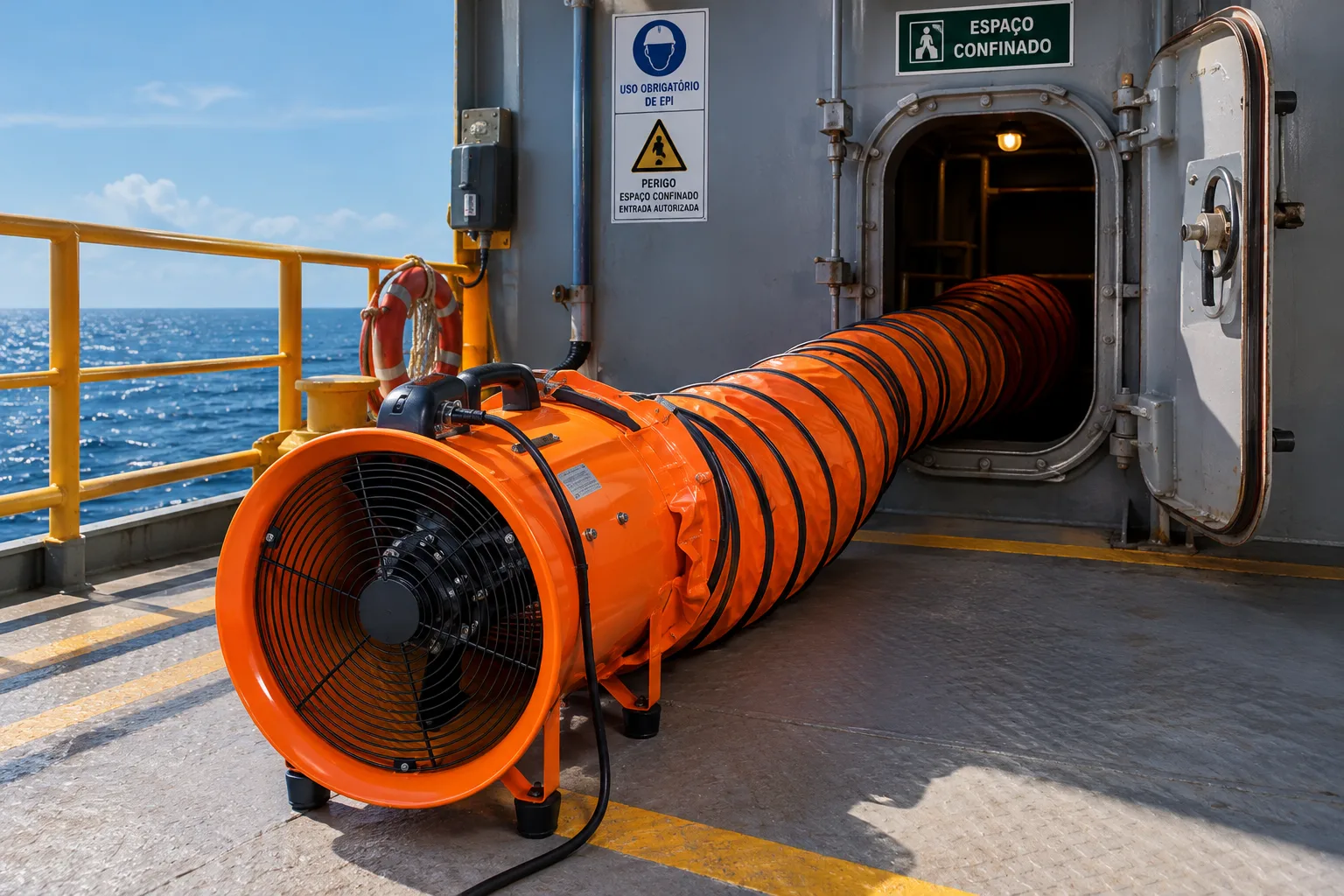
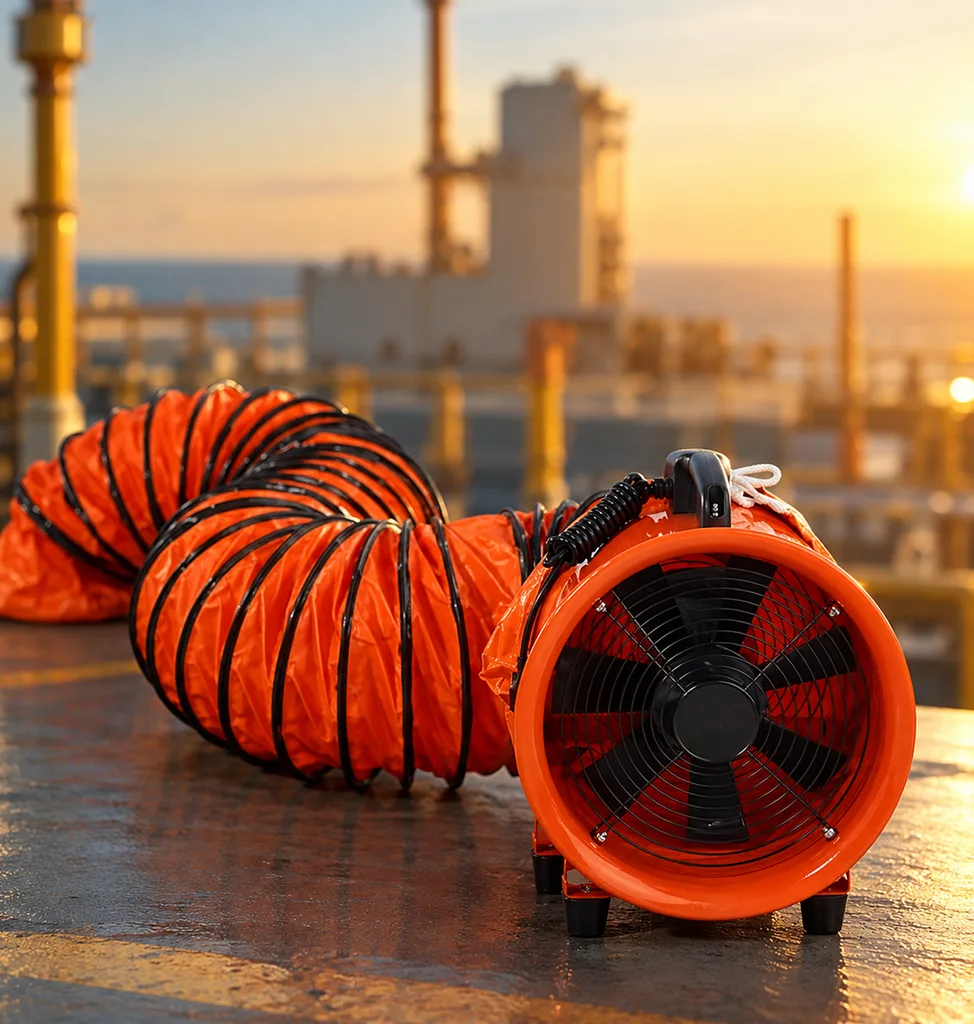
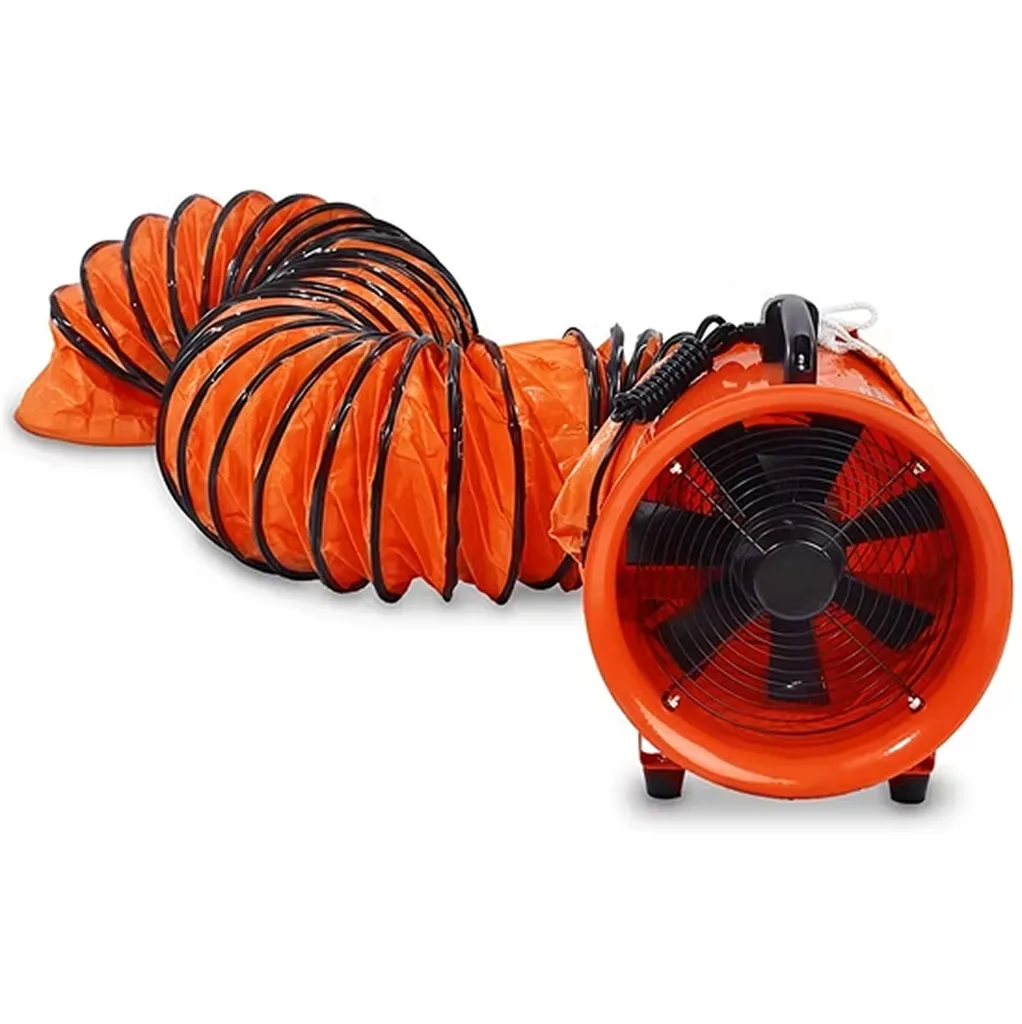
The exhaust fan moves the air, but it’s the duct that carries it to the point of the confined space that actually needs ventilation. Without the duct, the fan only renews the air near the entrance, and the far end of the compartment stays stagnant. That’s why the two items should be treated as a single system. Eurosul’s 300 mm portable exhaust fan has a 0.8 mm powder-coated steel body, a copper-core motor, and metal side handles for carrying, and it is CE certified. The 300 mm ventilation duct is 10 meters long, made of reinforced canvas with an internal metal spiral, with reinforced rings at the ends for quick coupling. The duct does not come with the fan, and the two are sold separately.
Setup Details That Matter
A few simple details keep the airflow efficient:
- Keep the duct as straight as possible: kinks and tight bends reduce airflow.
- Secure coupling: the connection between fan and duct should be firmly fixed so the air doesn’t escape before reaching its destination.
- Duct end in the right spot: the end should be placed in the area of the space that needs air renewal, following the vessel’s procedure.
- Power supply: check the voltage available onboard before switching on. The 300 mm fan is available in 110V and 220V.
Ventilating Doesn’t Replace Gas Testing
Ventilation improves conditions, but it doesn’t replace gas testing before entry. Only a gas detector shows whether the oxygen level is adequate and whether flammable or toxic gases are present, and this testing must follow each vessel’s enclosed space entry procedure. Also keep in mind that the 300 mm set is CE certified and intended for spaces with no explosive atmosphere risk. In classified areas, equipment certified for explosive atmospheres (Ex/ATEX) is required, and our technical team can advise on the right solution.
300 mm Exhaust Fan and Ventilation Duct
👉 Check the 300 mm portable exhaust fan and ventilation duct available for immediate delivery
No. The ventilation duct is sold separately.
10 meters, made of reinforced canvas with an internal metal spiral.
It’s available in 110V and 220V. Check the onboard power supply before choosing.
In tanks, holds, tunnels, offshore platforms, and industrial environments with low air circulation.
No. It’s CE certified and does not carry Ex/ATEX certification. Classified areas require equipment certified for explosive atmospheres.
Share