Expired Pyrotechnics: The Risk That Can Get Your Vessel Detained
Understand the SOLAS shelf-life requirements for hand flares, parachute rocket signals, and smoke signals, and why late replacement is one of the most common causes of inspection detention. Expired pyrotechnics aren’t just a bureaucratic detail. In fact, they’re one of the most common findings in Port State Control (PSC) inspections. The reason is simple: […]
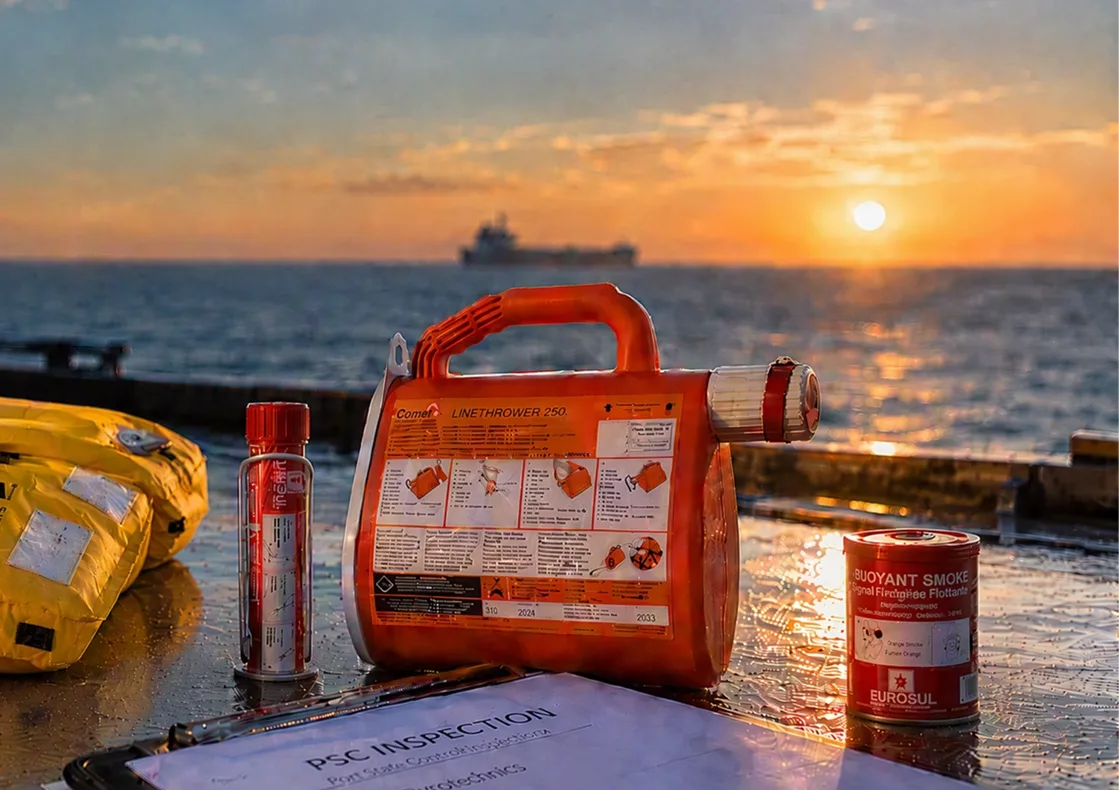
Understand the SOLAS shelf-life requirements for hand flares, parachute rocket signals, and smoke signals, and why late replacement is one of the most common causes of inspection detention.
Expired pyrotechnics aren’t just a bureaucratic detail. In fact, they’re one of the most common findings in Port State Control (PSC) inspections. The reason is simple: every pyrotechnic device onboard has a shelf life. Once the manufacturing date passes, typically 48 months, the chemical composition loses ignition reliability. As a result, the equipment becomes unreliable exactly when it needs to work without failure: during a real emergency. Keeping expired pyrotechnics onboard has consequences beyond a note on the inspection report. It can mean detention of the vessel until regularization, and the resulting delay costs are typically far higher than the cost of replacement itself.
What SOLAS Requires: Avoiding Expired Pyrotechnics Onboard
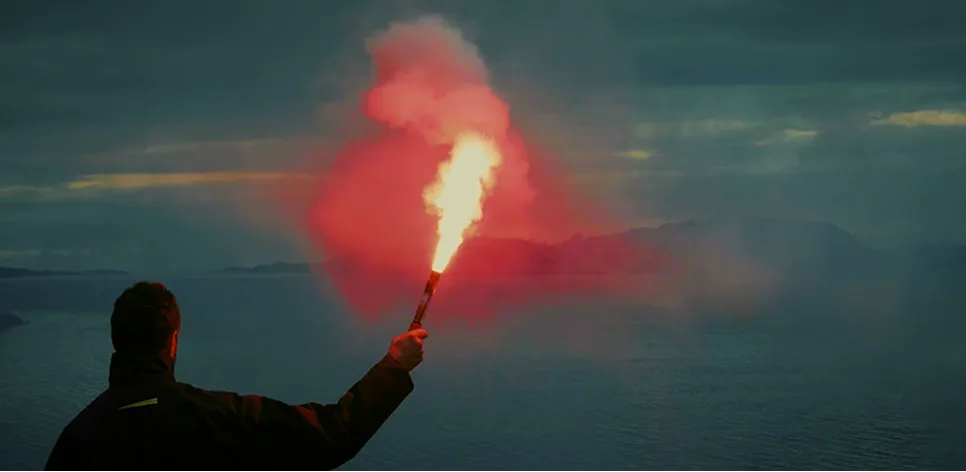
The SOLAS convention requires every vessel to carry a complete pyrotechnic distress signal kit within its shelf life. This includes hand flares, parachute rocket signals, and buoyant smoke signals, each with its own function and performance standard, minimum luminous intensity, burn time, and visibility range. In practice, this is usually organized into ready-made kits. The life raft kit includes 6 hand flares, 4 parachute rocket signals, and 2 buoyant smoke signals, while the bridge kit includes 12 parachute rocket signals, the typical composition required for the wheelhouse. Eurosul already sells these sets ready-made, packed in watertight containers and ready for boarding.
Flare, Rocket, or Smoke Signal? Each One Solves a Different Problem
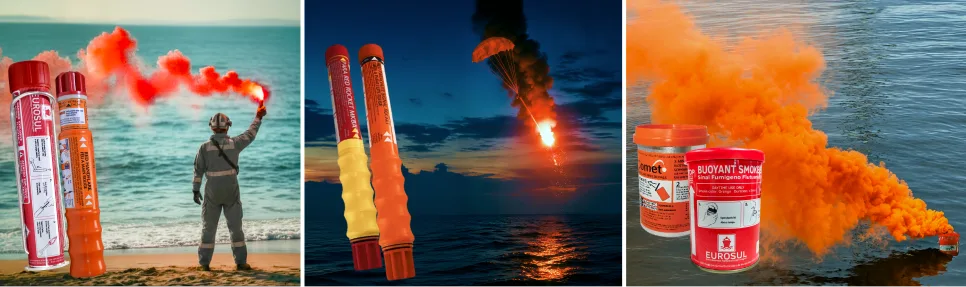
These are not interchangeable devices, and each one solves a different problem. For short-range signaling, day or night, when rescue is already nearby, the hand flare is the right choice, a red flame with a minimum 60-second burn. When the goal is to call for help across open water, the parachute rocket signal takes over: it reaches up to 300 m in altitude, stays visible over long distances, and works equally well day or night. The buoyant smoke signal, in turn, serves a different moment entirely. Effective only during daylight, it emits dense orange smoke for 3 minutes and goes beyond simple signaling: once rescue is already close, it helps search teams read the wind direction and guide their final approach.
Replacement Without the Hassle
With ready stock and immediate delivery across Brazil, Eurosul removes the main obstacle to replacement: time. In short, replacing the kit before expiry, or before the next inspection, stops being a logistics problem.
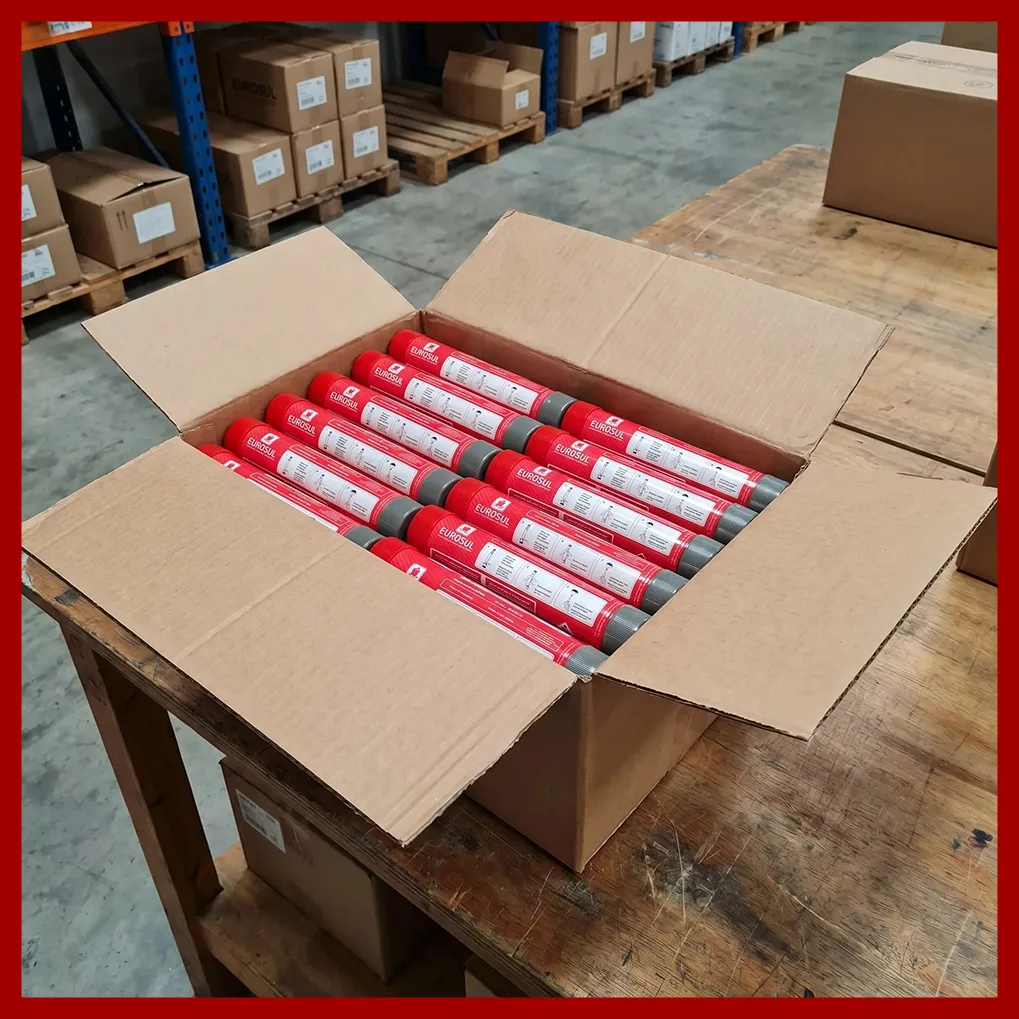
SOLAS/MED Certified Kits and Signals in Stock
👉 Check our full line of pyrotechnics available for immediate delivery.
Typically 48 months from the manufacturing date. The expiry date is printed directly on the device and should be checked before every inspection.
It can result in a non-conformity finding during a Port State Control (PSC) inspection and lead to detention of the vessel until regularization.
The hand flare is for short-range signaling, day or night. The parachute rocket signal reaches up to 300 m and stays visible over long distances, also day or night. The buoyant smoke signal is effective only during daylight and helps search teams identify wind direction.
The life raft kit includes 6 hand flares, 4 parachute rocket signals, and 2 buoyant smoke signals. The bridge kit includes 12 parachute rocket signals.
Eurosul keeps ready stock, with kits already packed in watertight containers, and offers immediate delivery across Brazil.
Share