Does Firefighting Foam Liquid Expire? What the Standard Actually Requires
Foam liquid has no fixed manufacturer shelf life, but that doesn’t mean it can sit in the tank without inspection. Understand the periodic testing required and why the product’s formulation matters too. It’s common to confuse foam liquid (LGE) with other firefighting items that carry a printed expiry date, like pyrotechnics. But foam liquid works […]
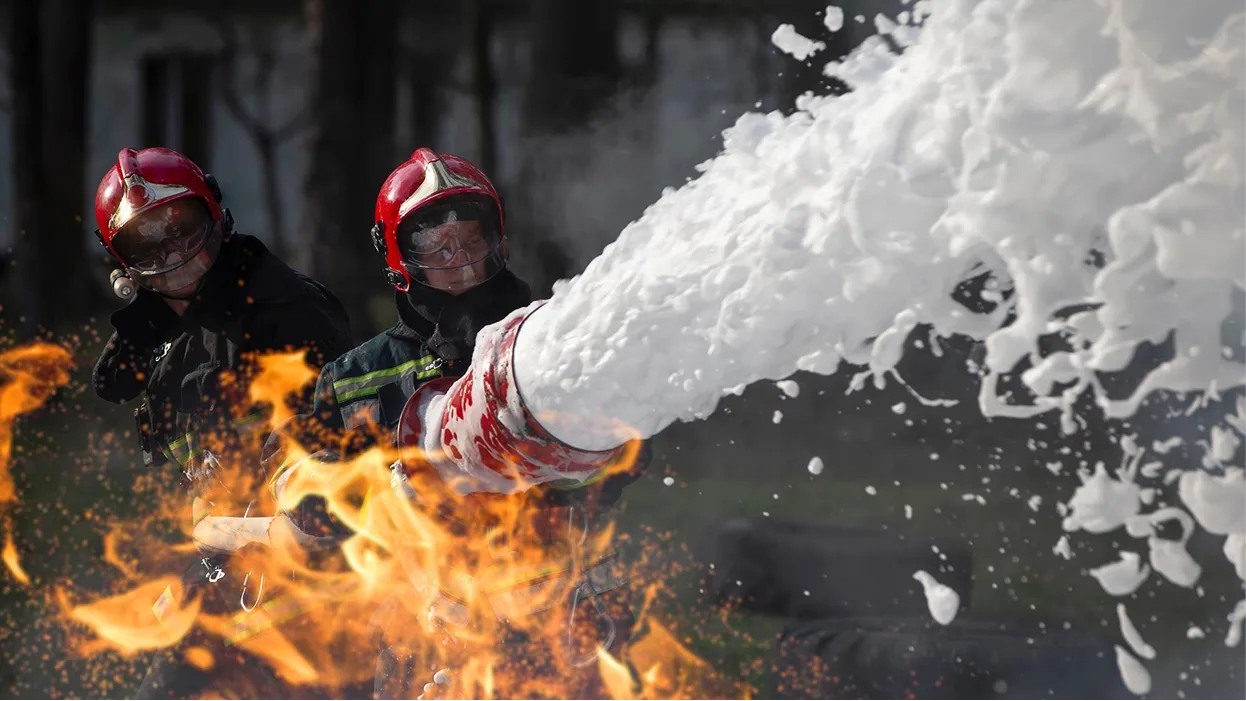
Foam liquid has no fixed manufacturer shelf life, but that doesn’t mean it can sit in the tank without inspection. Understand the periodic testing required and why the product’s formulation matters too.
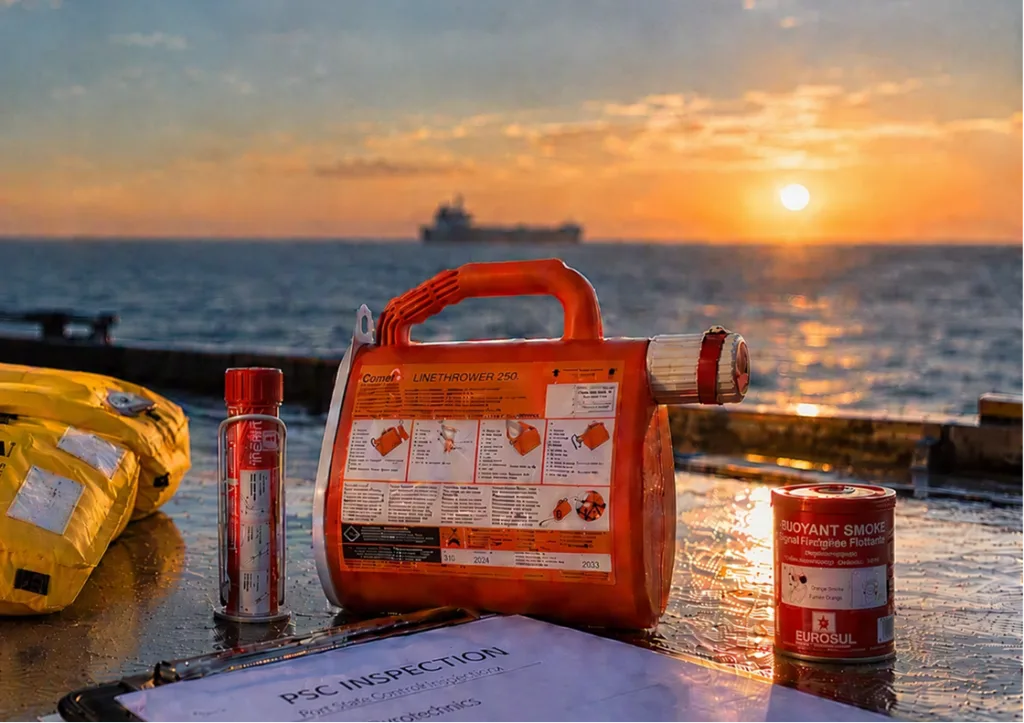
It’s common to confuse foam liquid (LGE) with other firefighting items that carry a printed expiry date, like pyrotechnics. But foam liquid works differently: manufacturers such as Argus declare a useful life of over 15 years, with no fixed shelf life, as long as the product is stored under the right conditions. The detail that often gets missed is that “no expiry date” doesn’t mean “no maintenance” — the applicable standard (ABNT NBR 15511) requires periodic testing to confirm the product still extinguishes fire as it should.
This Eurosul guide explains how foam liquid works, what the standard requires in terms of testing, and a point that’s gaining weight in purchasing decisions: the product’s environmental formulation.
How AFFF Foam Liquid Fights Fire
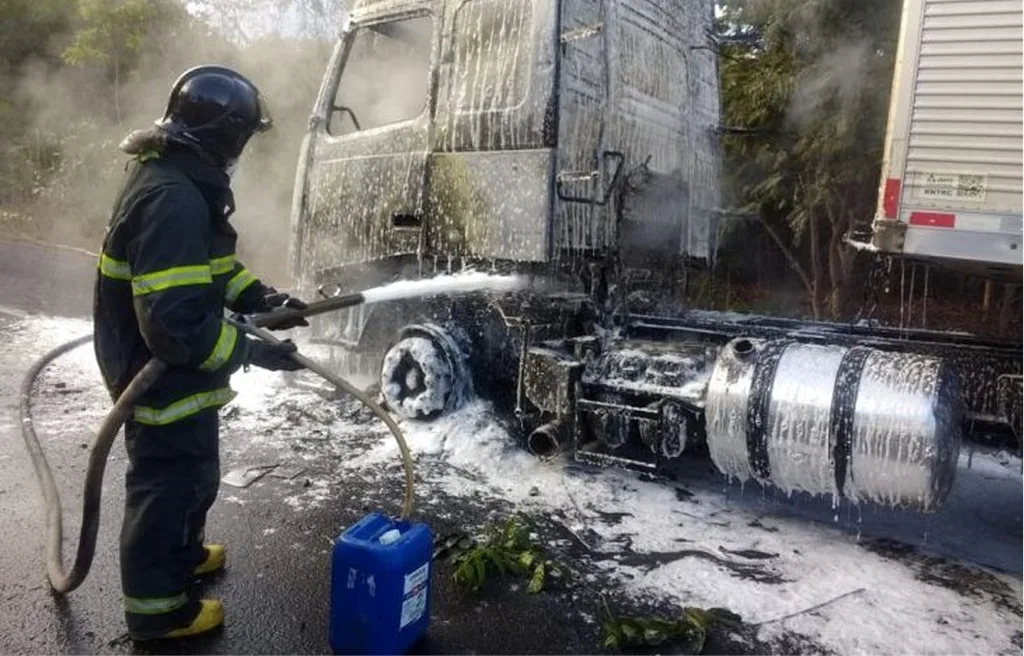
AFFF (Aqueous Film Forming Foam) works on three fronts at once: it forms an aqueous film over the fuel to prevent the release of flammable vapors, creates a foam blanket that cuts oxygen off from the liquid’s surface, and the drained foam liquid cools the surrounding metal surfaces. This combination is what makes AFFF effective against Class B fires (hydrocarbons — diesel, gasoline, kerosene) and compatible with combined use alongside dry chemical powder.
No Fixed Shelf Life, But Not Maintenance-Free
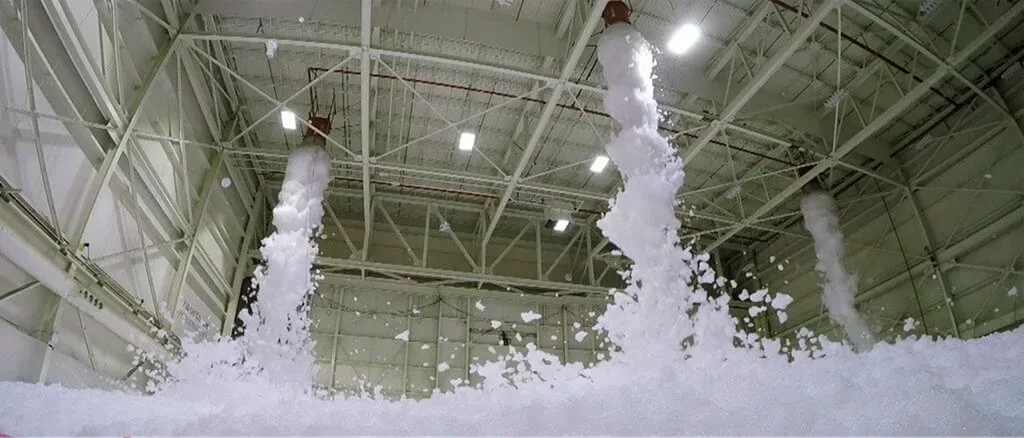
The manufacturer’s declaration of conformity covers the product’s useful life when stored correctly: in a covered, dry, ventilated location, away from heat and direct sunlight, between 2°C and 49°C, with packaging kept closed and intact. Even so, the standard requires two types of mandatory periodic testing: laboratory performance analysis every 36 months, and a fire test every 72 months. Skipping these tests is the most common mistake, the product can still be within its declared useful life and yet not have been tested within the interval the standard requires.
PFOA-Free: The Formulation That’s Already a Requirement in Several Markets
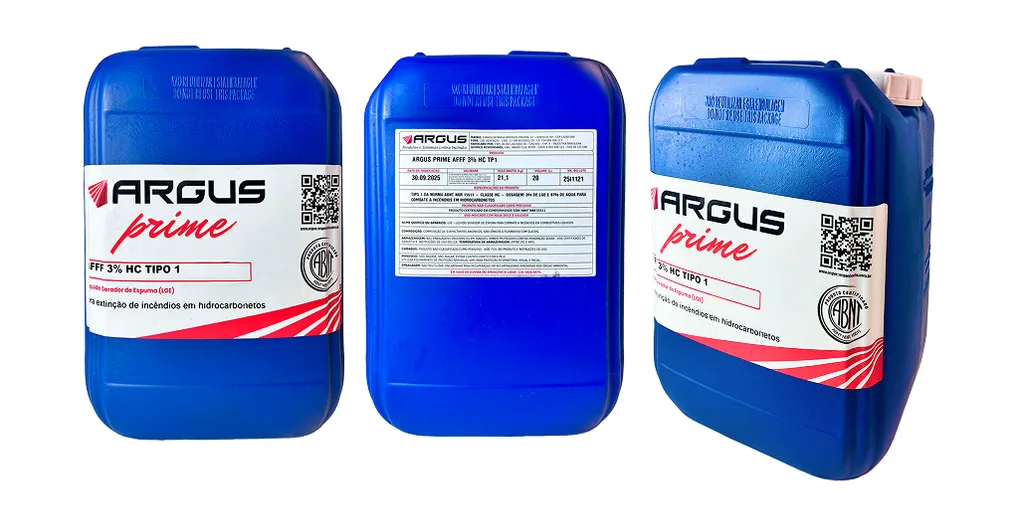
Eurosul’s Argus Prime AFFF 3% HC line contains no PFOA as an intentional ingredient and shows non-detectable PFOS levels (below 10 ppb), in compliance with EU Regulation 2019/1021 — the European legislation that has been restricting perfluorinated compounds in firefighting foams. The formulation is a synthetic foam produced by telomerization. For vessels operating international routes or serving clients with stricter environmental requirements, this characteristic has stopped being a differentiator and become a purchasing requirement.
Argus Prime AFFF 3% HC Foam Liquid – 20-Liter Pail
👉 Check the NBR 15511 certified foam liquid available for immediate delivery
Share