Naval Identification Tapes: Why the Wrong Color on a Pipe Can Cost Lives
Understand how the ISO 14726 color code works onboard ships and platforms, and why crew already arrive trained to read it, but still depend on the right material to trust it. Naval identification tapes go far beyond visually standardizing onboard piping: in an emergency, there’s no time to read a manual, and being able to […]
Understand how the ISO 14726 color code works onboard ships and platforms, and why crew already arrive trained to read it, but still depend on the right material to trust it.
Naval identification tapes go far beyond visually standardizing onboard piping: in an emergency, there’s no time to read a manual, and being able to recognize colors quickly can be decisive. A crew member needs to identify, in seconds, whether a pipe carries potable water, fuel, or a hazardous chemical, and that’s exactly what the international ISO 14726 color-coding system exists for. It’s not decoration: it’s a technical code that, when poorly applied or made with low-quality material, can lead to misreadings at critical moments. This Eurosul guide explains how the system works, why crew already arrive onboard trained to recognize it, and the role certified identification tape plays in that process.
How the ISO 14726 Color Code Works
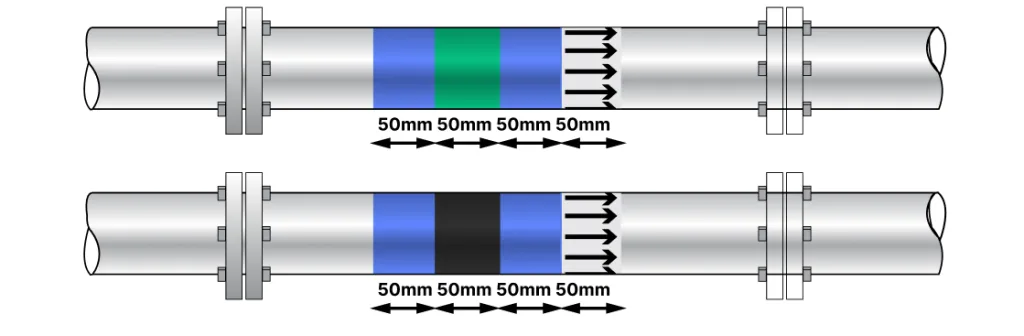
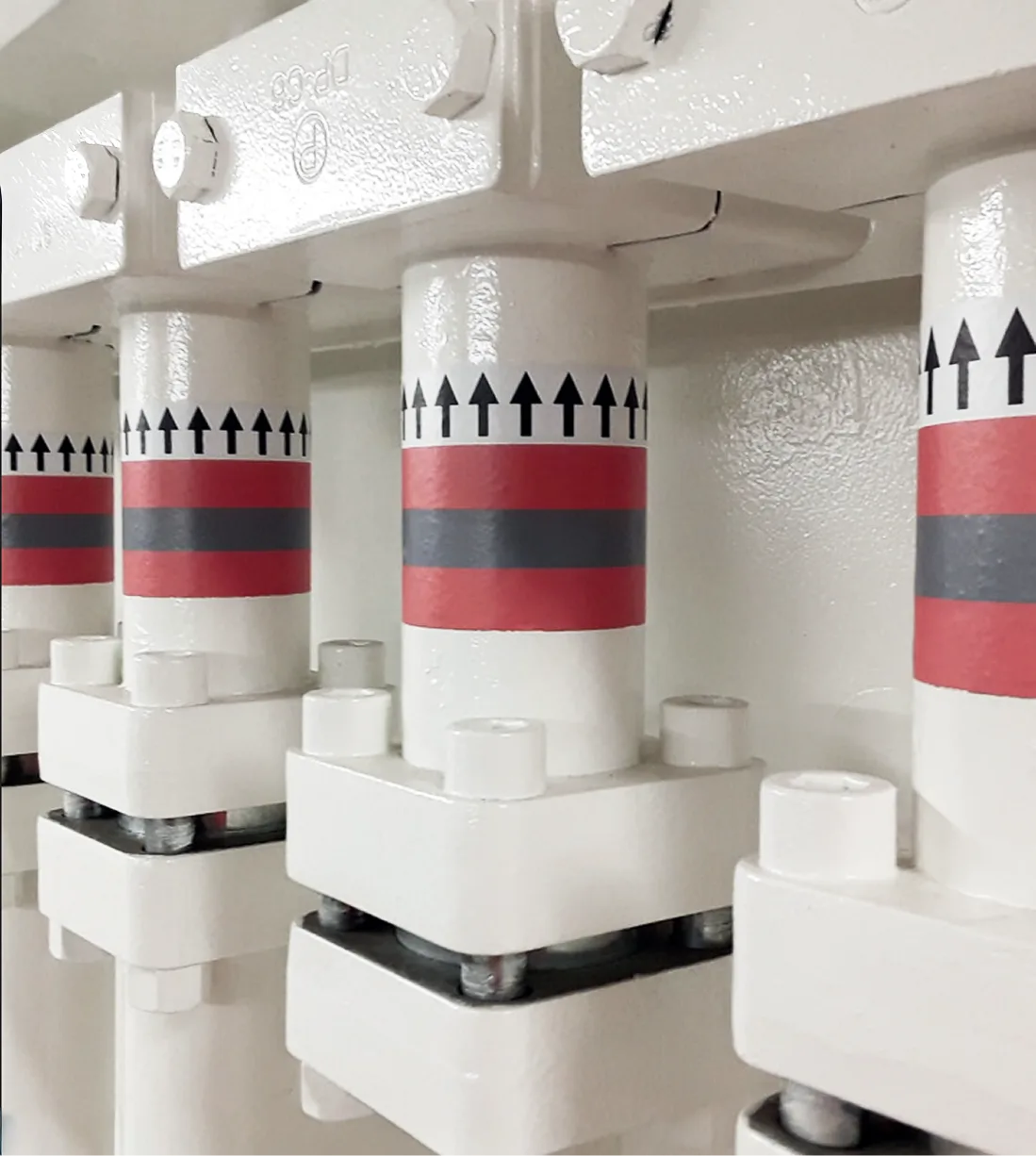
The system uses a combination of three bands: a primary color, which indicates the general group of the substance (blue for the water group, for example), and a secondary color between two bands of the primary color, which specifies exactly which substance is being carried. A common example onboard:
- Potable Water: Blue – Green – Blue
- Fresh Water (generic): Blue – Black – Blue
- Fire-Fighting: Red
This logic repeats across other groups, oil, steam, gases, compressed air, each with its own primary color, making the system recognizable even from a distance, in low light, or under stress.
Prior Training or Onboard Manual? Both.

Before boarding, crew undergo mandatory safety training (such as CBSP in Brazil or BOSIET internationally), which includes recognizing this color code as part of the curriculum. But generic training doesn’t replace the manual and signage plan specific to each vessel or platform, posted at strategic points onboard, because every unit has its own piping layout and routes. Tape with a directional arrow reinforces this reading, showing not just the pipe’s contents but which way it flows, an important complement to the color band.
Why the Quality of Naval Identification Tapes Matters
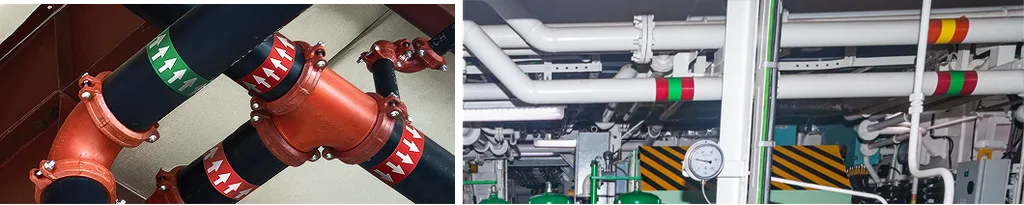
Low-durability identification tape peels, fades, or loses adhesion in a saline environment, and an illegible color is just as dangerous as no signage at all. Certified tape keeps the bands legible even under prolonged exposure to sun, sea spray, oil, and mechanical abrasion, keeping the code reliable year after year.
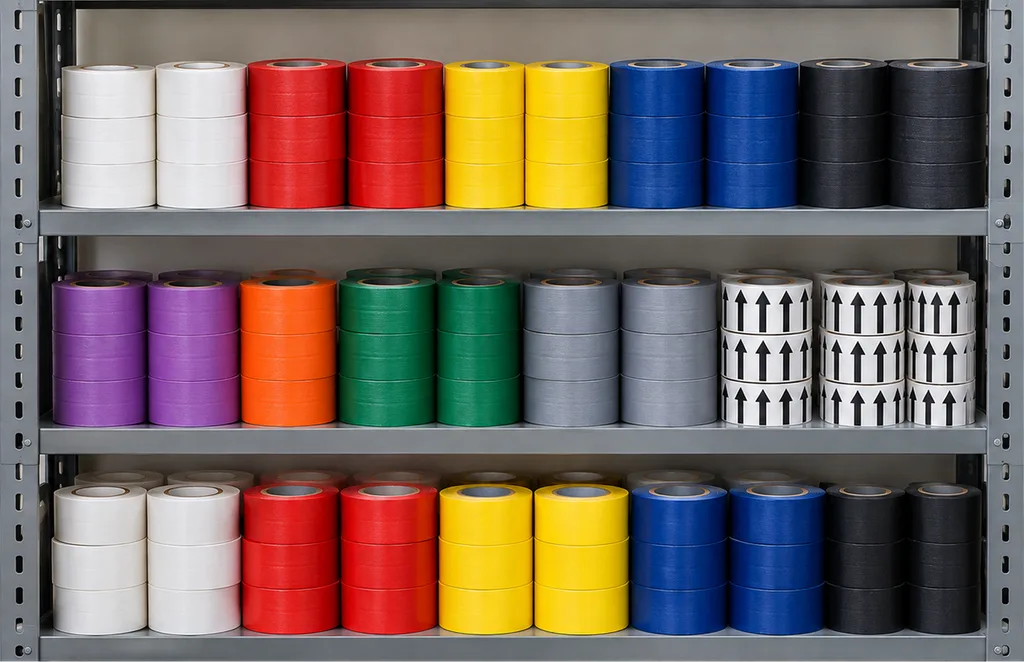
Recommended Product:
👉 EUROSUL’s Line of ISO 14726 Certified Naval Identification Tapes
Blue is the primary color for the water group. The secondary color between the blue bands specifies the exact type, green for potable water, black for generic fresh water, for example.
Safety training teaches the logic of the system, but each vessel keeps a specific signage plan/manual onboard for quick
No. ISO 14726 is also used on offshore platforms and can be applied in onshore installations.
Whenever there’s loss of legibility, peeling, or fading, inspection should be part of routine preventive maintenance.
It’s not recommended. Uncertified tapes don’t guarantee resistance to the saline environment or color standardization, compromising the reliability of the system.
Share