Mooring Ropes: Identifying Wear, Choosing Materials, and Ensuring Safe Operations
EUROSUL, a leading provider of maritime solutions, emphasizes the importance of regular inspection and the correct selection of mooring lines to ensure safe and efficient operations. Mooring lines are critical components for the safety of vessels in ports, anchorages, and maneuvers, and technical knowledge of their materials and conditions of use is essential to prevent incidents.
The Critical Role of Mooring Ropes
Mooring ropes are essential components for securing vessels during docking, anchoring, and maneuvering operations. At EUROSUL, we emphasize the importance of selecting the right type of rope and conducting regular inspections to prevent accidents and ensure operational safety.
How to Identify Wear in Mooring Ropes
Due to their constant exposure to harsh marine environments—salt, friction, UV rays, and tension—mooring ropes degrade over time. They must be inspected routinely and replaced when needed.
Key signs of wear include:
- Surface Abrasion:
- Frayed outer fibers caused by repeated rubbing against rough surfaces.
- Deformation:
- Twisting, flattening, or kinking that compromises rope structure and strength.
- Broken Strands or Cuts:
- Visible damage that weakens the rope’s ability to hold load.
- Internal Wear:
- Hidden damage that affects performance, often detected only through professional testing.
- Tension Fatigue:
- Loss of elasticity after repeated stretching, indicating the rope no longer returns to its original shape.
When Should Ropes Be Replaced?
Replace immediately if you observe:
- Any of the signs above
- Signs of overload or sudden tension events
- As recommended by the manufacturer, even if the rope looks fine externally
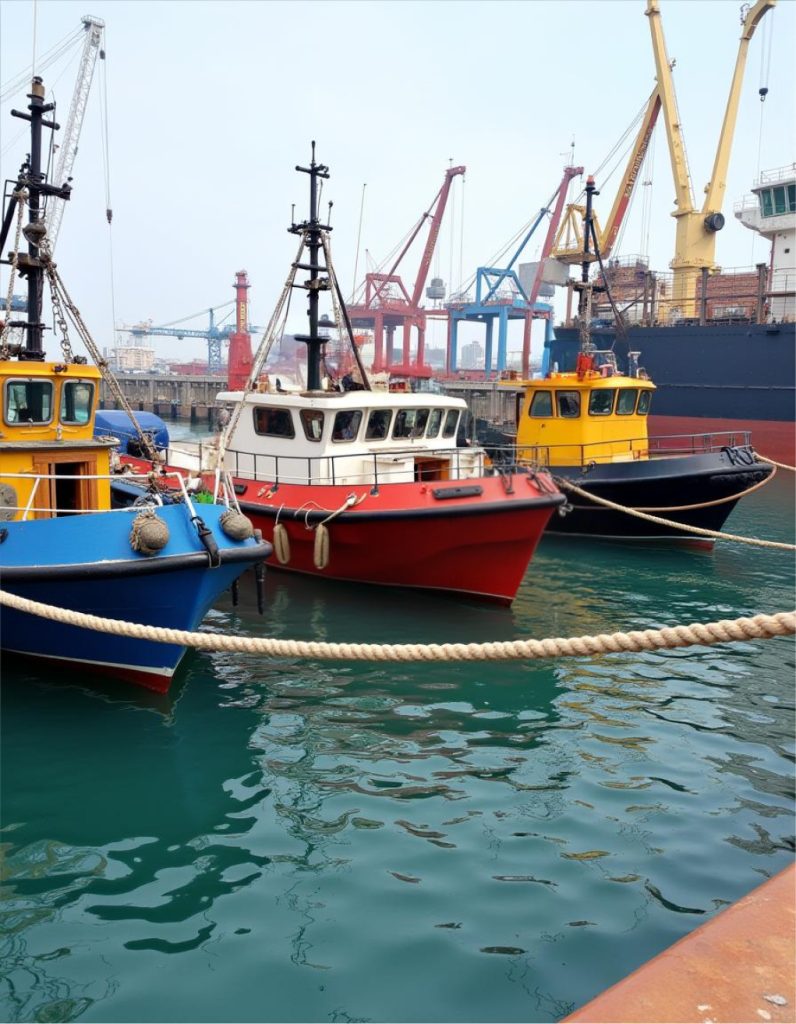
Types of Mooring Rope Materials and Their Applications
Choosing the right rope depends on the vessel’s size, environmental conditions, and type of operation. Below are the most common materials used in marine mooring:
1. Polypropylene
- Features:
- Lightweight, floats on water, resistant to salt and chemicals.
- Lower resistance to abrasion and heat.
- Best for:
- Fishing boats, small tugs, and light-duty operations in calm waters.
- Advantage:
- Affordable and easy to handle.
2. Nylon (Polyamide)
- Features:
- Highly elastic, absorbs shocks, very resistant to abrasion.
- Lower UV resistance with prolonged exposure.
- Best for:
- Large vessels and mooring in rough conditions (e.g., anchor lines, heavy-duty docking).
- Advantage:
- Reduz o impacto de cargas repentinas devido à sua capacidade de estiramento.
3. Fiber Blends (Mixed Ropes)
- Features:
- Combine fibers like polypropylene, polyester, and others.
- Balanced mix of elasticity, strength, and durability.
- Best for:
- Multipurpose mooring needs, especially when durability and flexibility are required.
- Advantage:
- Good cost-performance ratio and adaptable for different conditions.
Why Choose EUROSUL Mooring Ropes?
1. Premium Quality:
- We offer ropes made from high-grade materials to ensure durability and reliability.
2. Custom Solutions:
- Available in various diameters, lengths, and materials tailored to your operation’s needs.
3. Compliance with Global Standards:
- All EUROSUL ropes follow ISO 10556 and IMO recommendations, making them suitable for international shipping and offshore use
4. Expert Technical Support:
- Our engineering team helps you select the ideal rope, considering your vessel type, docking conditions, and safety requirements.
Reinforce Your Maritime Operations with Confidence
Rope condition directly affects vessel safety and efficiency. At EUROSUL, we provide technical guidance and high-performance mooring solutions to protect your crew, your vessel, and your operation.
Contact our team at +55 (41) 3668-1319 or email [email protected] to learn more about our mooring rope solutions.
EUROSUL Ship Supplier – Trusted for Safety and Maritime Excellence.
Share