EXPLOSION-PROOF (EX) CERTIFICATION
Explosion-Proof (Ex) Certification: Application in Maritime, Offshore, and Hazardous Area Operations In maritime, offshore, and industrial operations in international waters, the presence of flammable gases, vapors, or dust makes the use of conventional equipment a critical risk. Under these conditions, explosion-proof (Ex) certification is indispensable to ensure operational safety and compliance with globally accepted technical […]
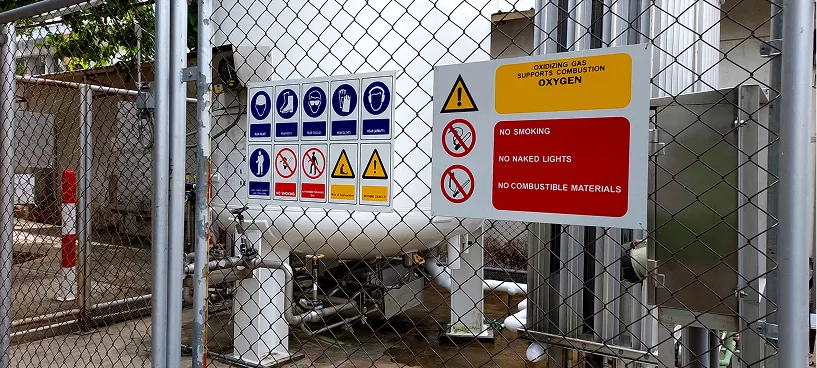
Explosion-Proof (Ex) Certification: Application in Maritime, Offshore, and Hazardous Area Operations
In maritime, offshore, and industrial operations in international waters, the presence of flammable gases, vapors, or dust makes the use of conventional equipment a critical risk. Under these conditions, explosion-proof (Ex) certification is indispensable to ensure operational safety and compliance with globally accepted technical requirements.
This content covers the main Ex certifications used internationally, such as ATEX and IECEx, their role in maritime and offshore operations, and the technical criteria that should guide the selection of equipment for hazardous areas.
Internationally Used Explosion-Proof Certifications
In global operations, especially on ships, platforms, and offshore units, the following certifications are widely recognized:
- ATEX – European directive applied to equipment intended for explosive atmospheres.
- IECEx – International certification system widely accepted in international maritime and offshore operations.
These certifications ensure that the equipment has been designed, tested, and manufactured to operate safely in classified environments, reducing the risk of accidental ignition.
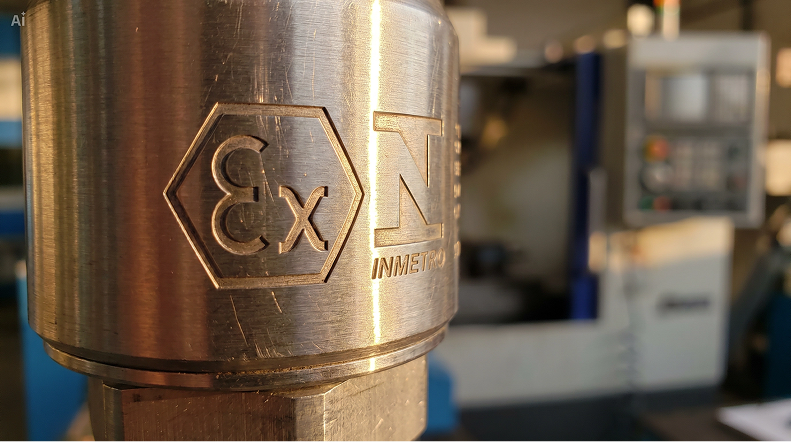
Importance of Area Classification (Zone 0, 1, and 2)
The correct selection of Ex equipment depends on the classification of the risk area, typically defined as:
- Zone 0: Continuous or frequent presence of an explosive atmosphere.
- Zone 1: Occasional presence during normal operations.
- Zone 2: Rare presence and for a short period.
Using equipment unsuitable for the application zone can compromise the integrity of the installation, the crew, and the vessel itself.
Risks of Using Non-Ex Certified Equipment
In maritime and offshore environments, using equipment without proper certification can result in:
- Ignition of flammable atmospheres;
- Operational failures in harsh environments;
- Non-compliance with contractual and class requirements;
- Significant risks to crew safety.
Therefore, international shipowners and operators prioritize properly certified and traceable equipment, compatible with globally accepted standards.
Eurosul’s Edge in Ex Equipment
Eurosul provides a portfolio of explosion-proof equipment suitable for international maritime and offshore operations, supporting clients in the correct interpretation of standards and the selection of products compatible with their hazardous areas.
Share