Rope or Cable? Why Correct Terminology Is Critical in Mooring Operations
The engineering behind high-performance mooring lines is what ensures the safety and compliance of your vessel. Why Does Correct Terminology Matter? In port, offshore, and vessel maneuvering operations, using the correct terminology reflects the technical classification of the equipment being used. Rope:Typically used for general onboard applications, such as routine crew tasks, equipment fastening, auxiliary […]
The engineering behind high-performance mooring lines is what ensures the safety and compliance of your vessel.
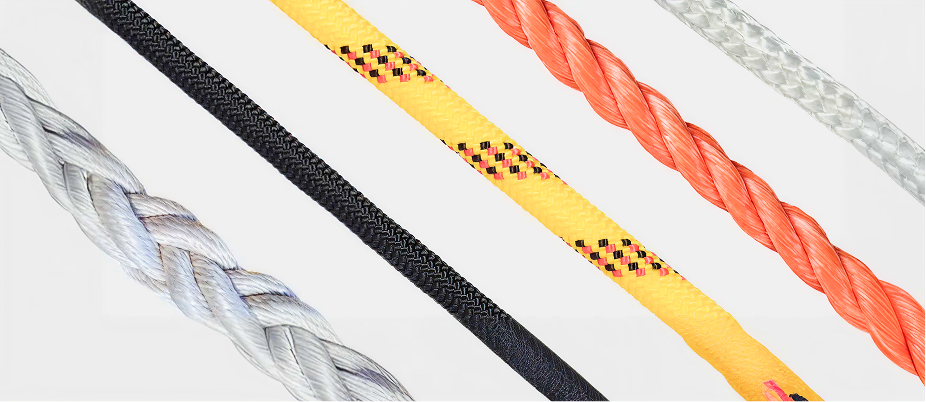
Why Does Correct Terminology Matter?
In port, offshore, and vessel maneuvering operations, using the correct terminology reflects the technical classification of the equipment being used.
Rope:
Typically used for general onboard applications, such as routine crew tasks, equipment fastening, auxiliary operations, small vessels, or support lines. These products usually do not have critical engineering requirements.
Mooring Line (Cable):
A safety-critical piece of equipment specifically designed for maritime and port operations. Its key characteristics include high mechanical strength, engineered structural design, ability to absorb dynamic loads, manufacturer traceability, technical certification, and a defined and tested MBL (Minimum Breaking Load).
Choosing the wrong type of line can lead to operational failures, premature wear, or even rupture during mooring operations, putting the vessel, crew, and port infrastructure at risk.
Key Technical Properties of Mooring Lines
Modern synthetic mooring lines used in maritime operations are engineered with specific technical properties to ensure performance and safety.
Positive Buoyancy:
Eurosul monofilament polypropylene ropes have a specific gravity of approximately 0.92, meaning they float in seawater. This provides key operational advantages: it prevents contact with vessel propellers, facilitates handling during mooring operations, and reduces the risk of entanglement.
Controlled Elasticity:
Elasticity is essential for absorbing dynamic loads caused by vessel movement, waves, currents, wind, and tidal variations. This capability helps reduce peak tension and enhances operational safety.
High Abrasion Resistance:
During operations, mooring lines come into contact with bitts, fairleads, rollers, and metallic structures. Therefore, abrasion resistance is critical to ensure longer service life.
UV and Weather Resistance:
Mooring lines are constantly exposed to sunlight, saltwater, and varying weather conditions. UV protection helps preserve the mechanical properties of the line over time.
International Safety Reference: MEG4
One of the most important technical references in the maritime industry for mooring operations is MEG4 (Mooring Equipment Guidelines – 4th Edition), developed by the OCIMF (Oil Companies International Marine Forum).
This guideline establishes international best practices for the selection, use, inspection, and maintenance of mooring lines.
MEG4 covers key aspects such as:
- Definition of appropriate Minimum Breaking Load (MBL) for each vessel
- Compatibility between mooring lines and ship equipment
- Inspection procedures and wear monitoring
- Lifecycle management of mooring lines
- Equipment traceability and documentation
- Criteria for replacement and safe disposal
- Compliance with ISO 10572:2009 (Mixed polyolefin fibre ropes)
Today, MEG4 is widely used as a technical benchmark in port operations, oil and gas terminals, and offshore activities, helping raise safety standards across the maritime industry.
Eurosul Mooring Lines
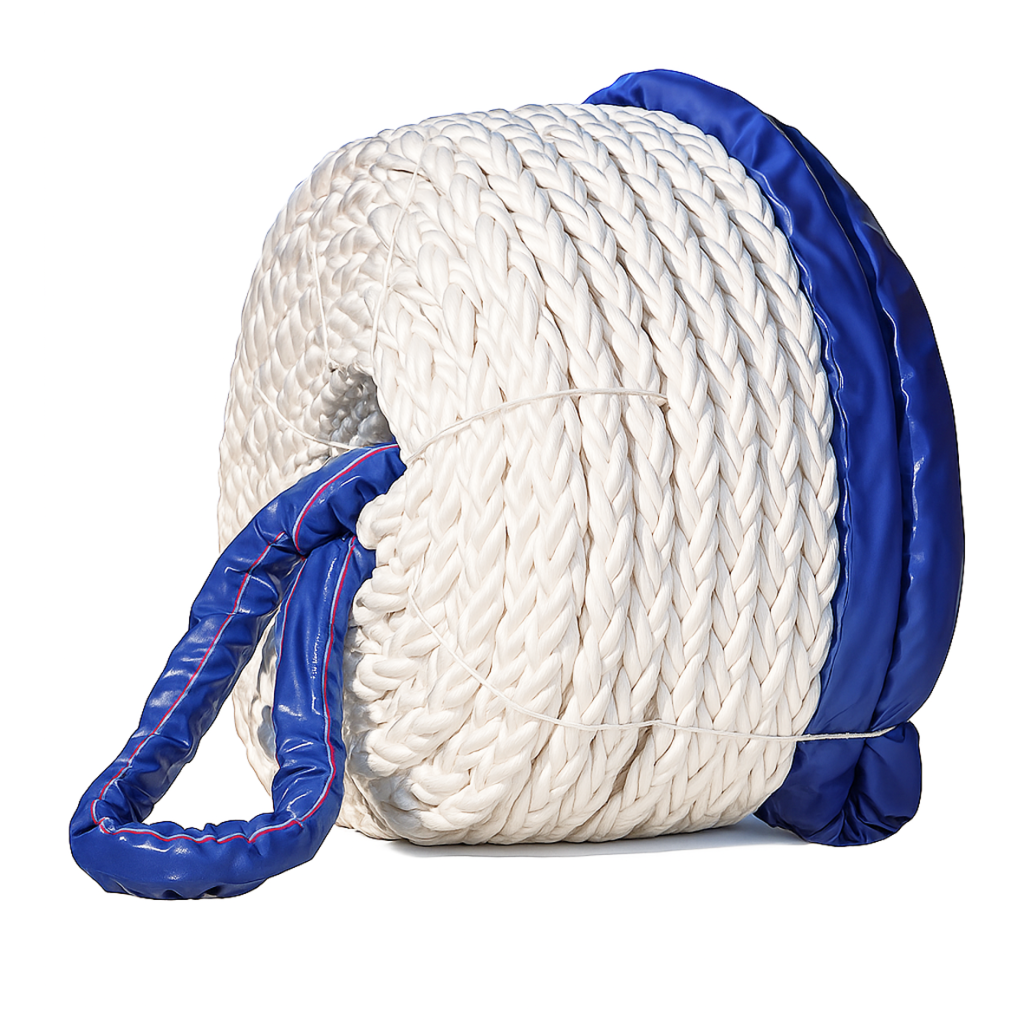
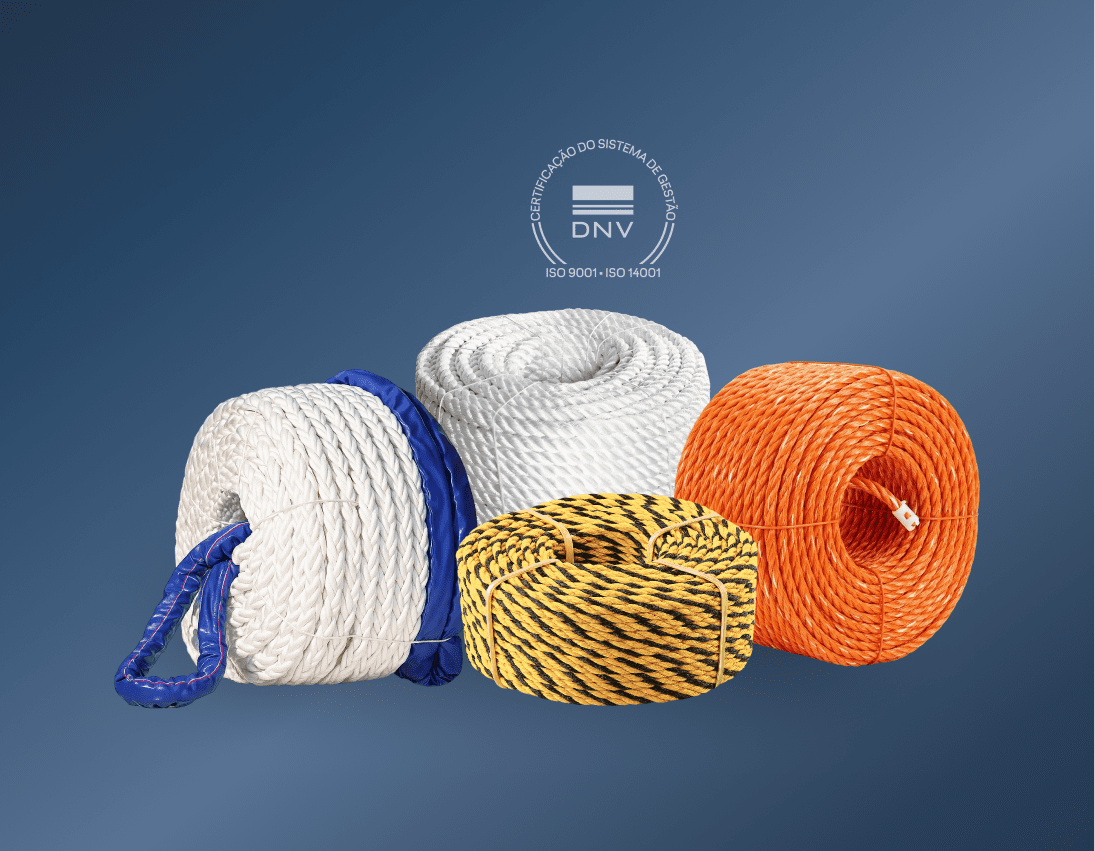
Eurosul monofilament polypropylene mooring lines, available in 8- or 12-strand constructions, are designed to meet the demands of modern maritime operations.
Key features include:
- Positive buoyancy (Specific Gravity: 0.92)
- Excellent abrasion resistance
- Controlled elasticity for dynamic load absorption
- UV protection
- High durability in marine environments
- Product identification and traceability
- DNV certification
These mooring lines are widely used in port operations, vessel mooring, offshore activities, and marine terminals.
Final Considerations
Not every rope is a mooring line — but every mooring line must meet strict engineering and safety requirements.
Selecting the right mooring line, considering factors such as MBL, construction, material, and compliance with international best practices, is essential to ensure safe and efficient operations.
For more information about our mooring lines and maritime solutions, contact our technical and commercial team.
Share